Published 18 November 2026
5W-30 or 5W-40: which oil for a high-mileage engine?
Decode the numbers, check the manufacturer’s approval and find out why mileage alone isn’t a reason to switch to 5W-40.
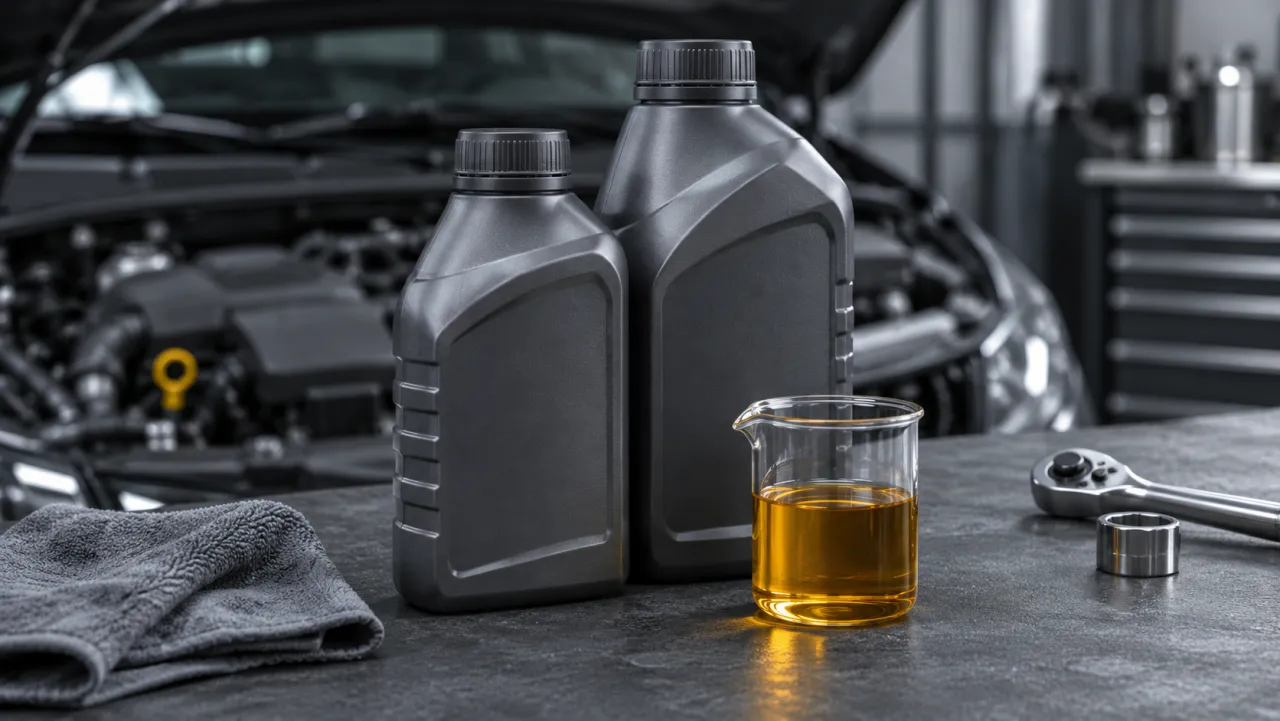
“Once the mileage is high enough, use 5W-40” sounds like a handy rule. But two cars that look identical can have different engines with different oil requirements. Start with your own car’s manual, not the number on the odometer.
What do 5W, 30 and 40 mean?
- 5W is the low-temperature viscosity grade. Both oils meet the same winter grade, but that doesn’t make their cold-temperature properties identical.
- 30 or 40 is the high-temperature viscosity grade. SAE 40 is a higher viscosity grade when hot than SAE 30. These numbers aren’t outdoor temperatures or a quality score.
API’s guide to motor oil labelling.
Viscosity is not an approval
Two 5W-30 oils can meet different specifications. Match the manual against the bottle label and the product data sheet. If the vehicle uses a particulate filter or has other exhaust after-treatment requirements, don’t pick oil solely by the 5W-30 or 5W-40 label. Volkswagen explains where to check its oil standard.
Is switching to 5W-40 ever reasonable?
If the manufacturer allows both grades for your engine, choose from those options using the right approval and your driving conditions. If 5W-40 isn’t allowed, extra mileage doesn’t change that. Even the High Mileage label doesn’t tell you the grade: one Mobil range with that label comes in several grades.
If you’re suddenly topping up more often, measure the consumption and check for leaks. A thicker oil won’t fix the cause of a leak or engine wear. Check when the oil is due separately.
Blog
Published 18 November 2026
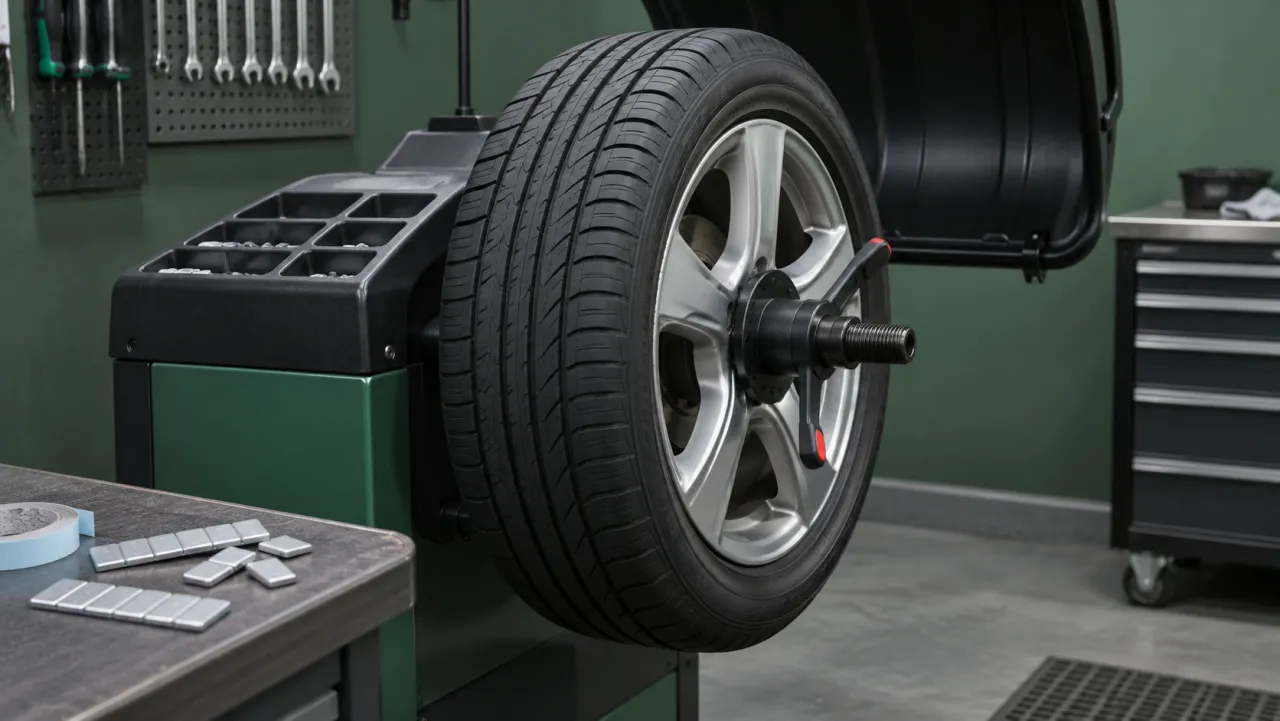
Why balance your wheels, and what are you paying for?
Steering wheel shaking at speed? When wheel weights help, why a per-wheel quote can cost less than a full set, and what else could cause the vibration.
Published 18 November 2026
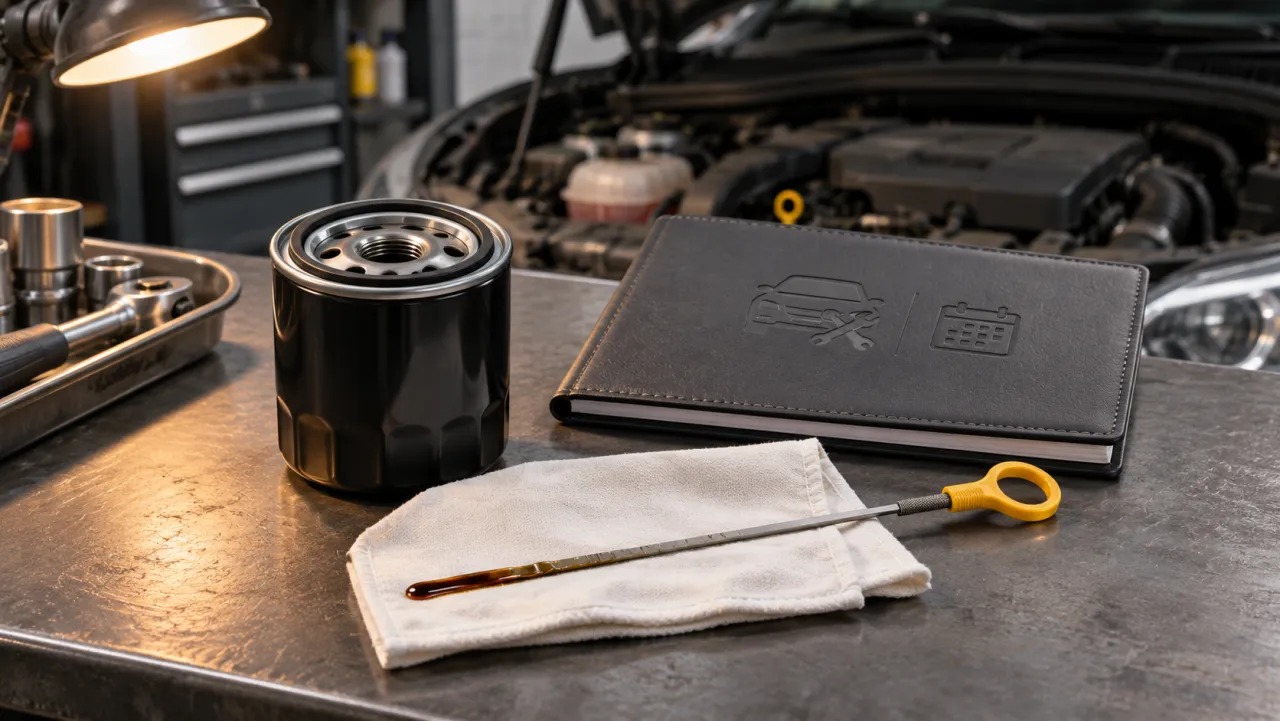
How often should you change engine oil? Is 7,000–8,000 km always right?
Why mileage alone doesn’t set the interval, how short trips differ from motorway driving and what to do if a used car comes without service records.

Published 1 November 2026
EU tyre labels: what do A–E, wet grip and noise in dB mean?
Tyres of the same size can differ in grip and noise. A short guide to the EU label, EPREL and what those letters cannot promise.