Published 23 August 2026
Why polish a car that already looks fine?
Polishing is not just about shine, and it should not be done by a fixed calendar. Here is what it corrects, what it cannot fix and how often paint needs it.
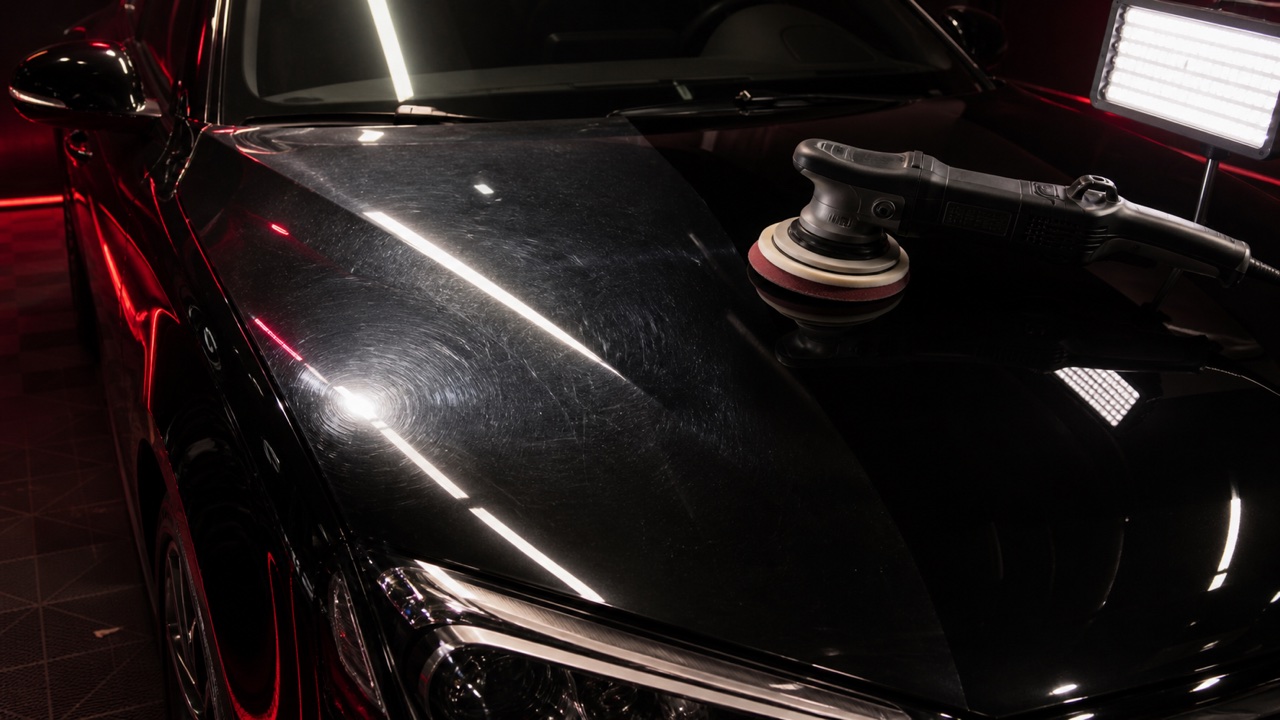
A car can look perfectly fine in ordinary light. In direct sun or under an inspection lamp, however, a cloudy web may appear: fine circular scratches, wash marks and dull patches. Polishing does not paint over them. It carefully levels the top of the clear coat so that light reflects evenly again.
What does polishing actually achieve?
- Reduces fine wash scratches, holograms and light oxidation.
- Restores depth of colour and an even gloss.
- Prepares a clean, smooth surface for wax, synthetic sealant or ceramic coating.
Polishing cannot remove dents and cannot safely erase every deep scratch. If a scratch catches a fingernail or has reached the colour layer, chasing complete removal may take away too much clear coat. A good technician will make it less visible without sacrificing the long-term durability of the finish for a perfect photograph.
“It already shines” — is there any point?
If the bodywork is genuinely in good condition, it does not need a full correction. A careful wash, decontamination and protective coating may be enough. A light finishing polish makes sense when fine wash marks need to be removed before protection. Polishing itself is not a protective layer: without wax, sealant or ceramic coating, the fresh finish will be exposed again to washing, UV and contamination.
How often should a car be polished?
The honest answer is not “once a year” but when the condition requires it. A carefully washed car may need a light one-step refresh only once every one or two years. Heavy multi-stage correction should not become a seasonal ritual because clear-coat thickness is finite. A car repeatedly washed with automatic brushes will collect new defects much faster.
How do you know it is time?
Look at a clean car in direct sunlight. Circular marks around the reflection, a generally dull colour or mineral spots that remain after washing are good reasons to have the finish inspected. We assess defect depth, measure the coating when necessary and start with the least aggressive combination that can deliver the required result.
Blog
Published 18 November 2026
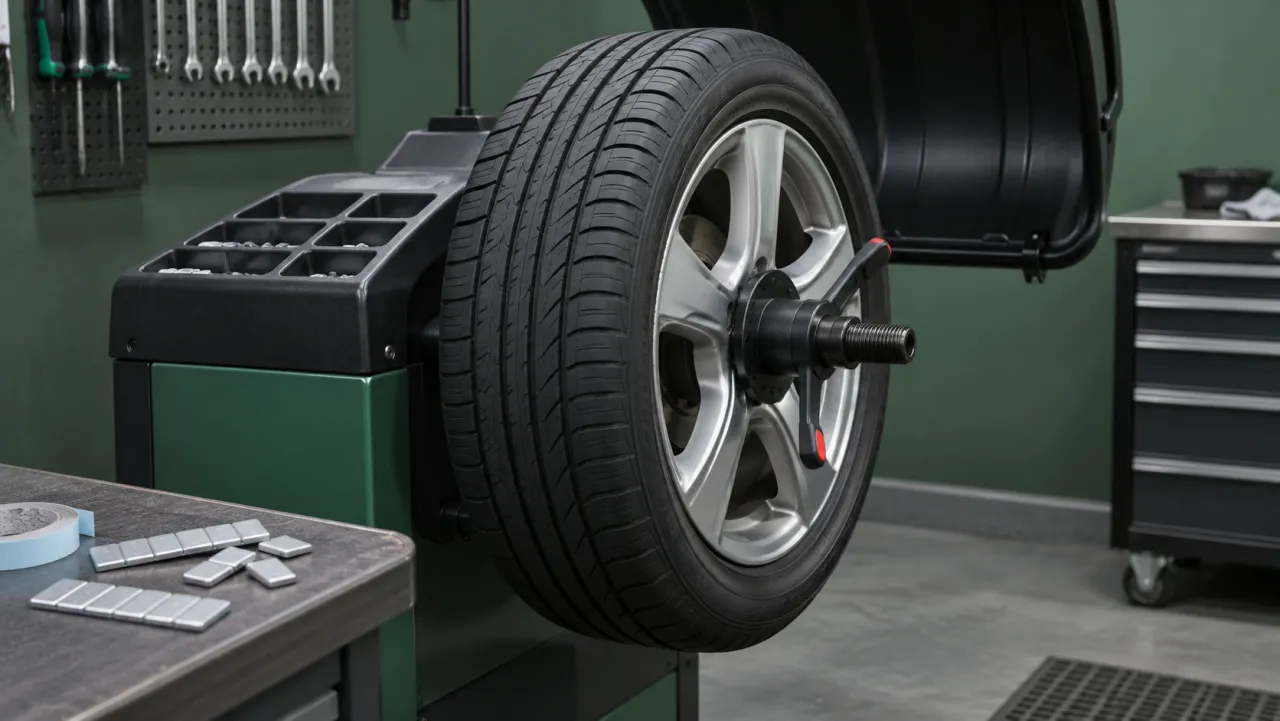
Why balance your wheels, and what are you paying for?
Steering wheel shaking at speed? When wheel weights help, why a per-wheel quote can cost less than a full set, and what else could cause the vibration.
Published 18 November 2026
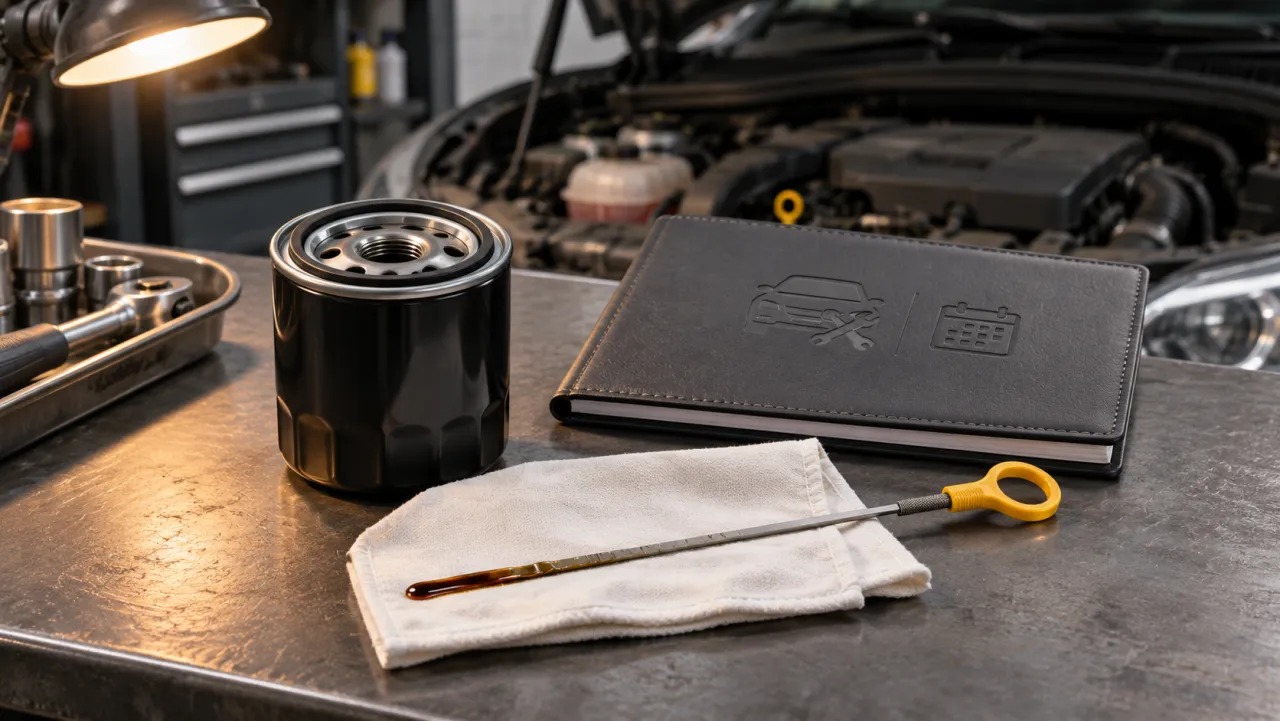
How often should you change engine oil? Is 7,000–8,000 km always right?
Why mileage alone doesn’t set the interval, how short trips differ from motorway driving and what to do if a used car comes without service records.
Published 18 November 2026
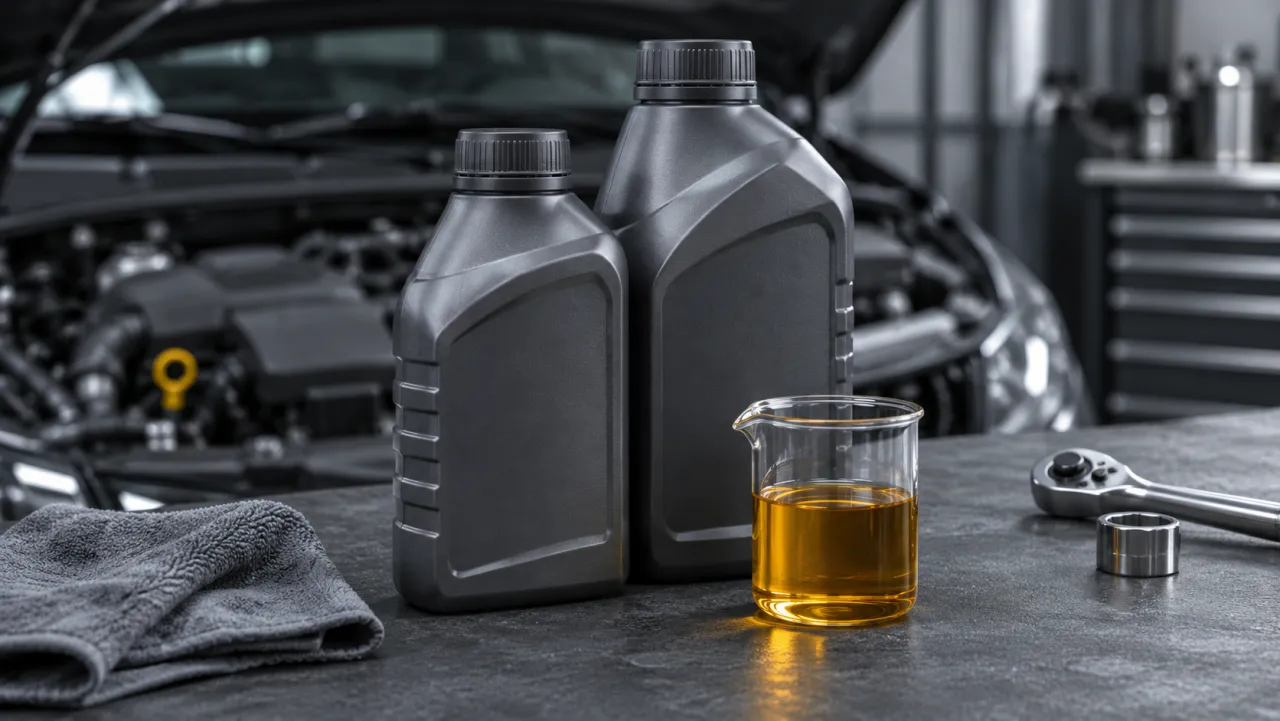
5W-30 or 5W-40: which oil for a high-mileage engine?
Decode the numbers, check the manufacturer’s approval and find out why mileage alone isn’t a reason to switch to 5W-40.